Behind the Doors. Costakis meets Rubinstein
June 20, 2026 - January 10, 2027In Moscow during the second half of the 20th century, two collectors, George Costakis and Yakov Rubinstein working in parallel assembled two of the most significant private art collections of their time. These two men, within an environment of strict constraints, chose to follow not the official narrative of art, but their own inner compass — guided by intuition, passion, and a firm belief in the value of artistic creation.
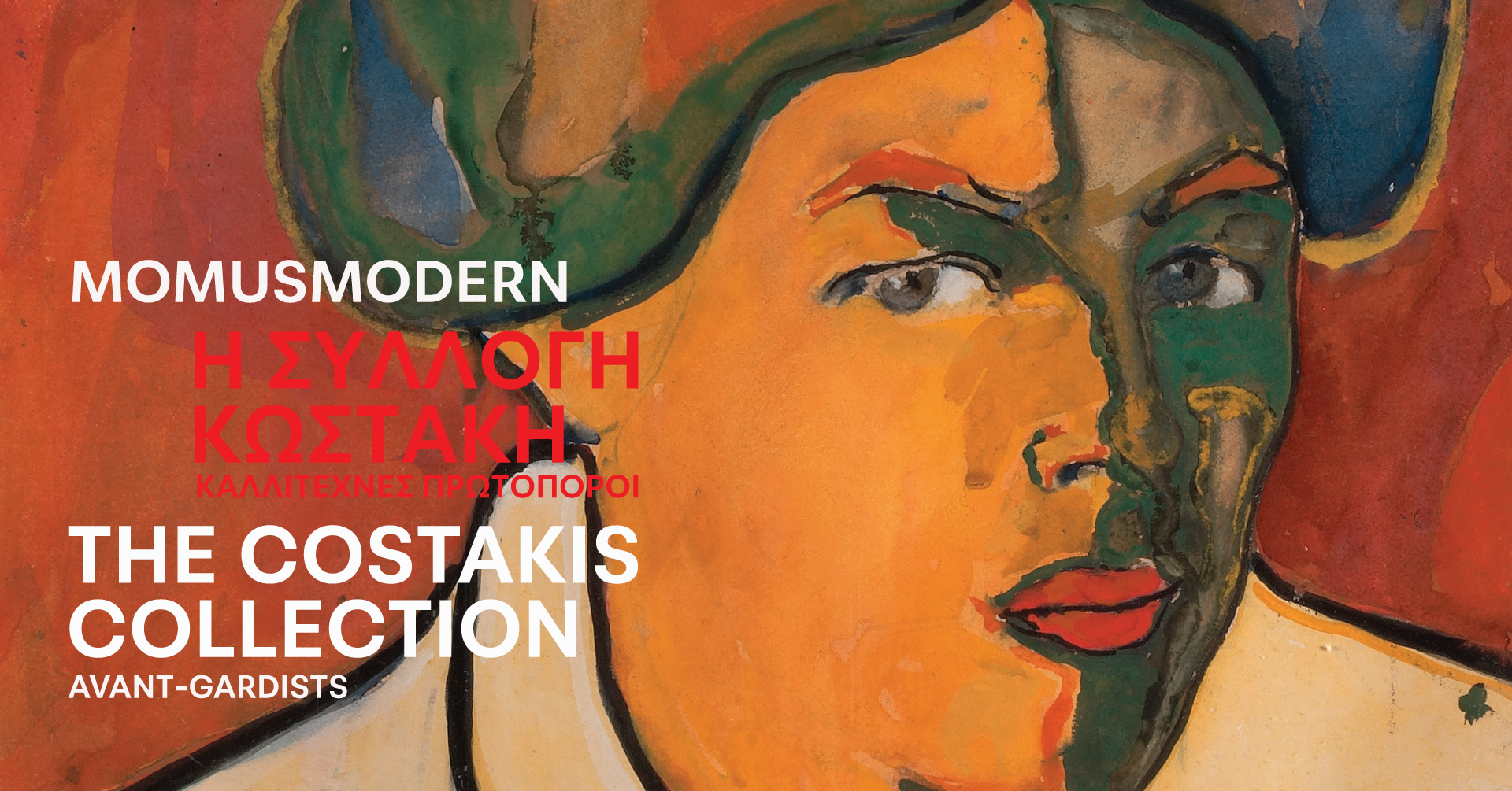
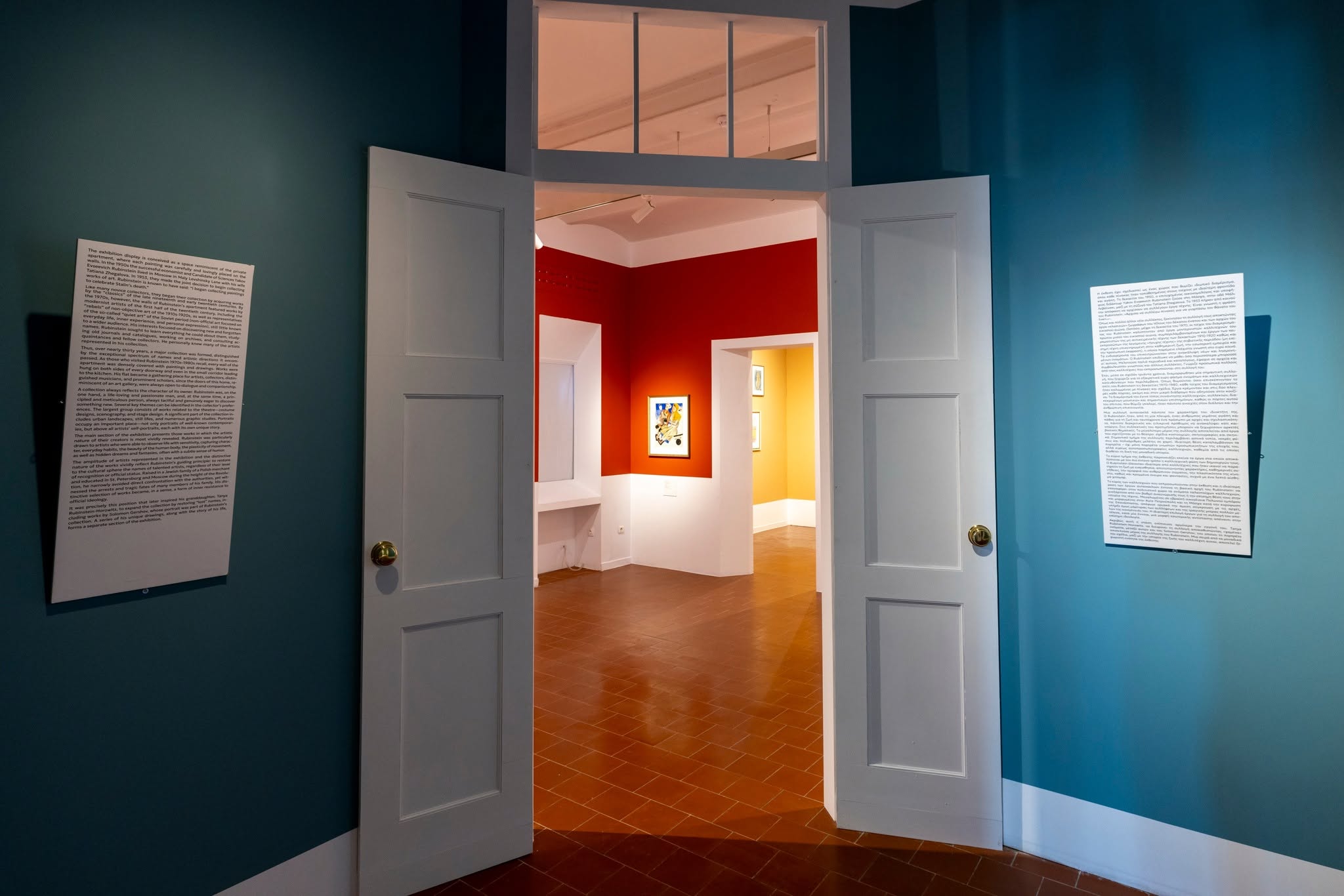
The exhibition entitled "Behind the Doors. Costakis meets Rubinstein" presented at MOMUS-Museum of Modern Art, at the Moni Lazariston, in Thessaloniki, from 20 June, 2026 to 10 January, 2027, captures this parallel path of the two men, with its very interesting implications, in terms of their activity as collectors.
Of Greek origin, George Costakis would go on to become the world's foremost collector of the Russian avant-garde, rescuing and bringing to light a chapter in the history of modern art that remained on the margins of official Soviet cultural policy for decades.
At the same time, the Polish-Jewish collector Yakov Rubinstein was building a somewhat different collection. His interests focused on modernism and Symbolism, theatre, stage and costume design, the illustration of fairy tales and literary narratives, and works that maintained strong ties to representation, storytelling, and imagination.
The two collectors, who knew each other and maintained friendly relations, shared a commitment to artistic currents that diverged from the aesthetic doctrine of Socialist Realism, which came to dominate Soviet cultural policy.
The exhibition “Behind the Doors. Costakis Meets Rubinstein” brings these two collecting trajectories into dialogue for the first time. Rather than presenting opposing narratives, it reveals two distinct perspectives on the same historical period, the same city, and the same questions surrounding art and modernity.
Several thematic sections run throughout the exhibition:
• Female figures appear as muses, objects of desire, protagonists, or projections of social stereotypes, inviting visitors to reflect on the mechanisms of the gaze and representation.
• Fairy tales, legends, and literary narratives come to life through characters and stories such as Tsar Saltan, Doctor Miracle, the romance of Chopin and George Sand, and the haunting imagery of the Danse Macabre, revealing the enduring power of storytelling in art.
• The exhibition also turns its attention to everyday life. Domestic interiors, rooms, furnishings, and scenes of habitation bear witness to private life in the early decades of the twentieth century. Alongside them unfolds the world of the street: performers, wanderers, marginal figures, and individuals who often remain outside official historical narratives.
• A particularly special section is devoted to works created in the Gulags. These paintings testify not only to a specific historical reality but also to the resilience of artistic creativity under the most extreme conditions.
This exhibition was made possible through the generous support and dedicated commitment of the collector's granddaughter, Tanya Rubinstein-Horowitz (Düsseldorf).
Curated by: Liubov Pchelkina
Exhibition Design: Kiril Ass, Nadja Korbut